There are many important aspects of Canada’s energy future that are difficult to capture in quantitative models, including the evolving roles, priorities, and experiences of First Nations, Métis, and Inuit communities.Footnote 1 While our scenarios reflect economic, policy, and technology trends, they cannot fully account for these broader social and cultural dimensions.
Recognizing this and acknowledging the key role that Indigenous communities play in shaping the future of energy in Canada, the CER partnered with Mokwateh, an Indigenous-owned consultancy. Through this partnership, Mokwateh engaged Indigenous communities across Canada to gather their perspectives, aspirations, and concerns about the future of energy in Canada.
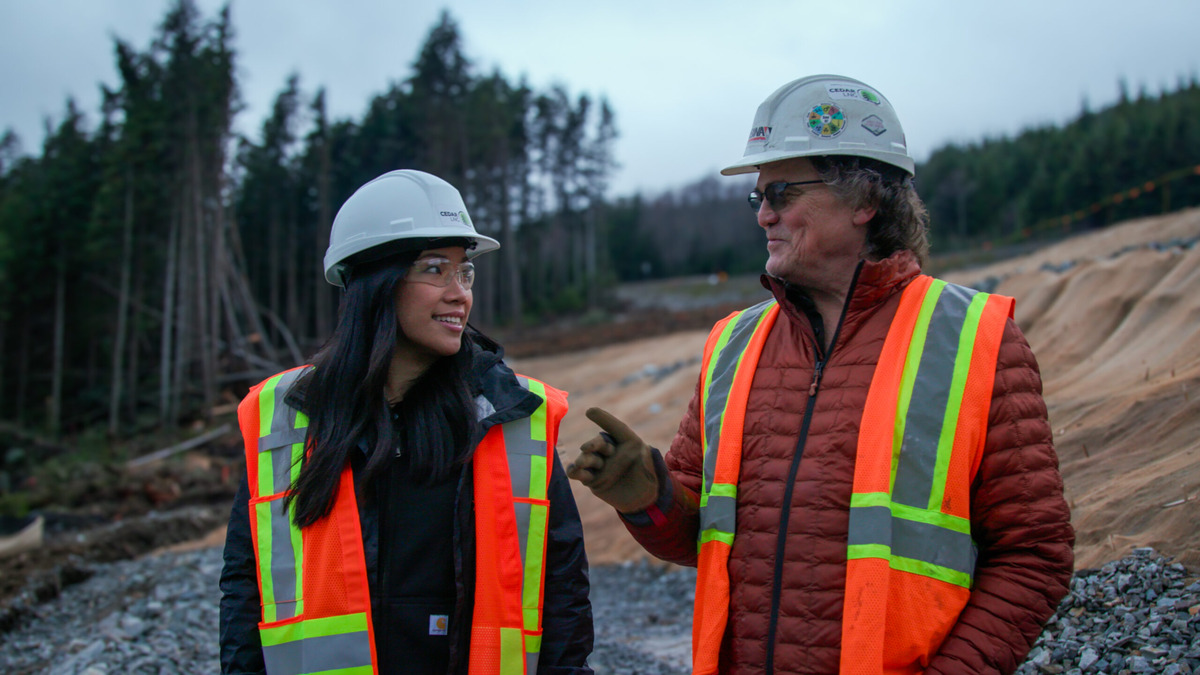
Photo credit: Cedar LNG Project, Haisla Nation and Pembina Pipeline Corporation
Through multiple interviews, focus groups, and surveys, Mokwateh engaged with 35 Indigenous participants. Mokwateh then produced a Final Report, Indigenous Leadership in Canada’s Energy Transition. It summarizes and analyzes key findings, highlighting region-specific priorities, challenges, and opportunities related to energy development and consumption.
These insights were gathered in the fall of 2024, prior to the introduction of new or modified federal and provincial initiatives designed to support Indigenous participation in the energy sector. Programs such as the Canada Indigenous Loan Guarantee ProgramFootnote 2, alongside other evolving policies, may help alleviate some of the barriers identified by communities and create new opportunities to advance Indigenous energy priorities. The findings here reflect the perspectives shared at the time of engagement.
The key findings from this engagement are presented below. These findings supplement our scenario modelling (see textbox: Energy Futures: Scope and Limitations) by further exploring how the energy transition intersects with Canada’s journey toward Reconciliation.
It is important to acknowledge that the findings below do not fully reflect the diversity of all Indigenous Peoples, given the unique and dynamic circumstances of each community. In their own words, Mokwateh summarized the perspectives and insights they heard as followsFootnote 3:
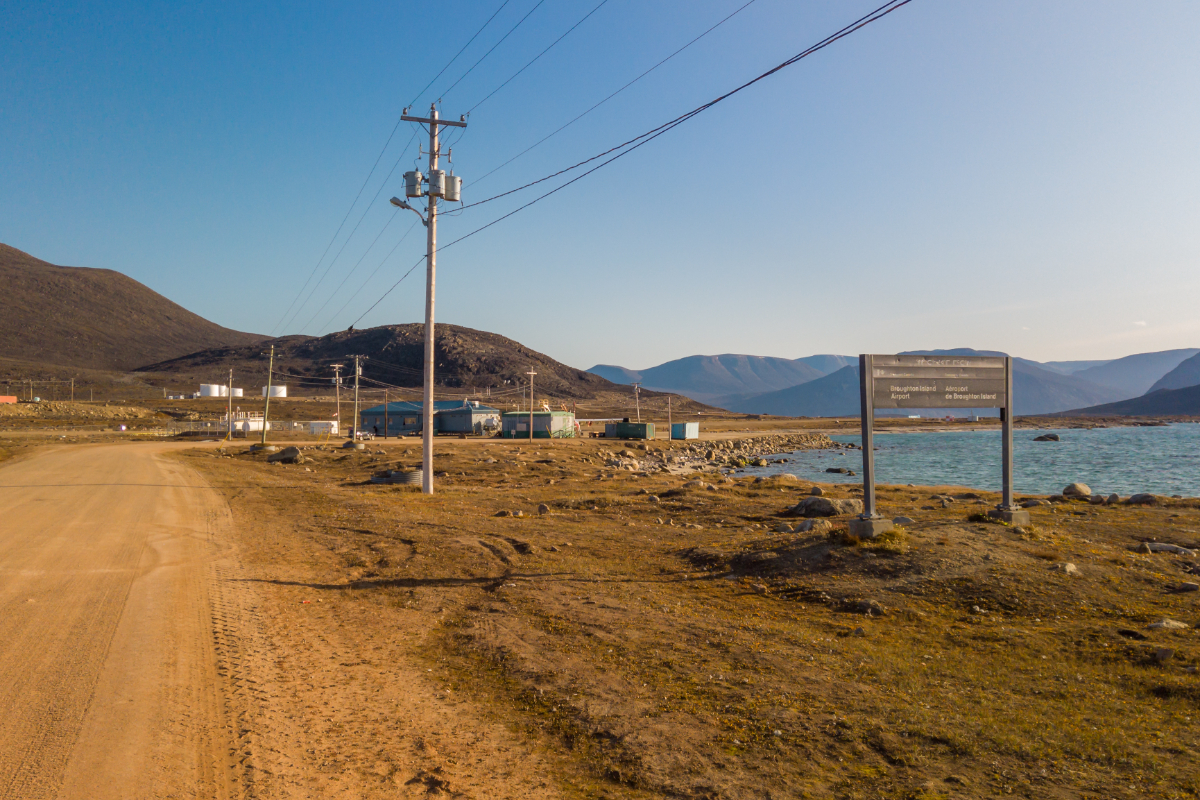
Communities identified financing, logistical, and regulatory challenges as significant obstacles to advancing energy projects—particularly in remote regions. High costs, limited access to capital, difficulties in deploying and maintaining infrastructure, and complex approval processes were recurring concerns, alongside the need for stronger Indigenous representation in governance.
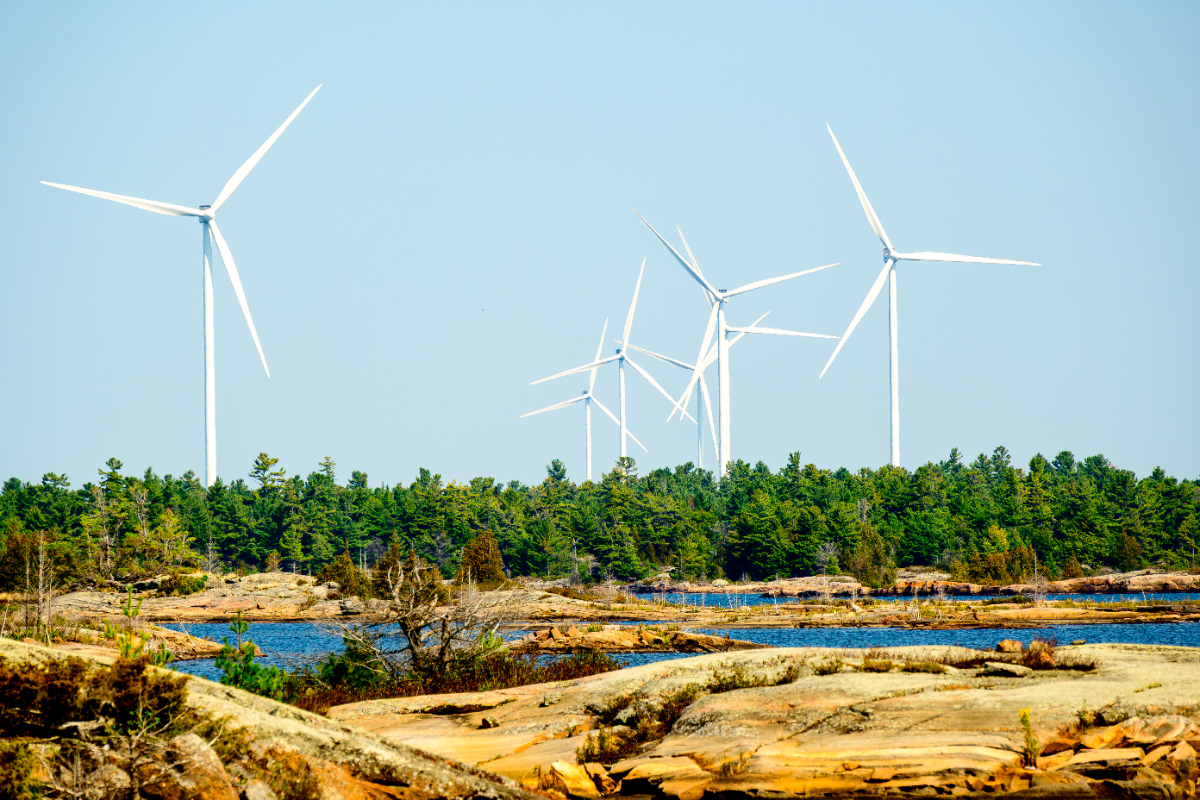
The Mokwateh report highlights the central role of Indigenous leadership in shaping Canada’s energy transition. Themes such as energy sovereignty, renewable power adoption, and capacity building reflect both the aspirations and the concerns of many Indigenous communities. These perspectives underline the need to consider cultural, social, and environmental factors in planning Canada’s future energy system, and point to opportunities for collaboration and innovation in overcoming challenges. This engagement strengthened our understanding of key opportunities, uncertainties, and implementation realities that extend beyond quantitative analysis.
